travel
White Terror — Walking Through Hell (3): Injustice Site, Ankang Reception Room
This tour covered three locations: the Dalongdong Detention Room, the Investigation Bureau Headquarters, and the Ankang Reception Room.
Ankang Reception Room
The Ankang Reception Room is the most significant stop on this tour — because it is an injustice site where the original structure still stands, intact.
From the very first stop, the Dalongdong Detention Room, you can trace how important it was for the Investigation Bureau to always have a place to hold people. The Ankang Reception Room was the first stop for essentially all White Terror political prisoners — the central interrogation facility. Unlike the earlier spaces, which were requisitioned civilian residences, Ankang was purpose-built by the Investigation Bureau itself.
It was established on January 8, 1974. The previous facility (Sanzhang Li Reception House on Wuxing Street) had become surrounded by a growing residential population, so operations moved to a hillside location in the Ankang area of Xindian — elevated, isolated, and commanding. The area is now surrounded by housing, but at the time there would have been almost nothing nearby.
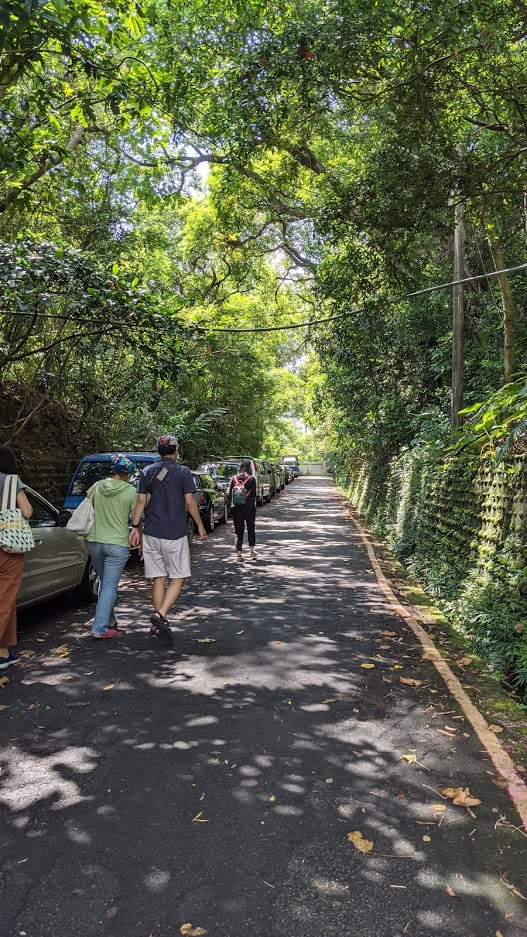
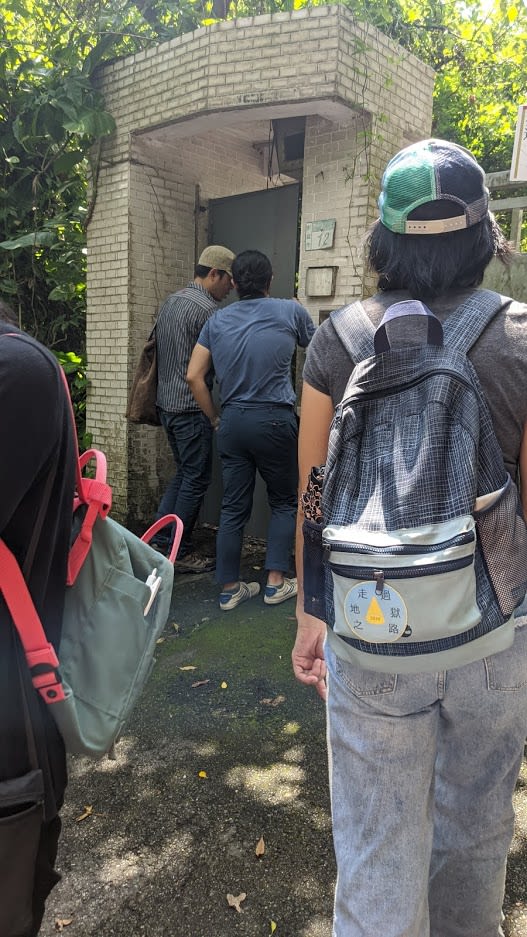
The facility became internationally known because of the high-profile figures who passed through it — including Huang Hsin-chieh, Bo Yang, and Chen Chu. After martial law ended, it was repurposed as a warehouse and largely neglected. An Apple Daily journalist who gained access discovered scattered White Terror case files and rows of preserved anatomical specimens — a disturbing scene. After the story ran, the Investigation Bureau sealed the site and inventoried 1,232 case file bags and defendant records (since transferred to the National Archives Administration).
The complex has four main buildings. The two most important are the Work Zone (primary interrogation area) and the Recuperation Zone (prisoner detention). Between them is a passage that runs below grade due to the terrain’s elevation change — many survivors believed they were being held underground.
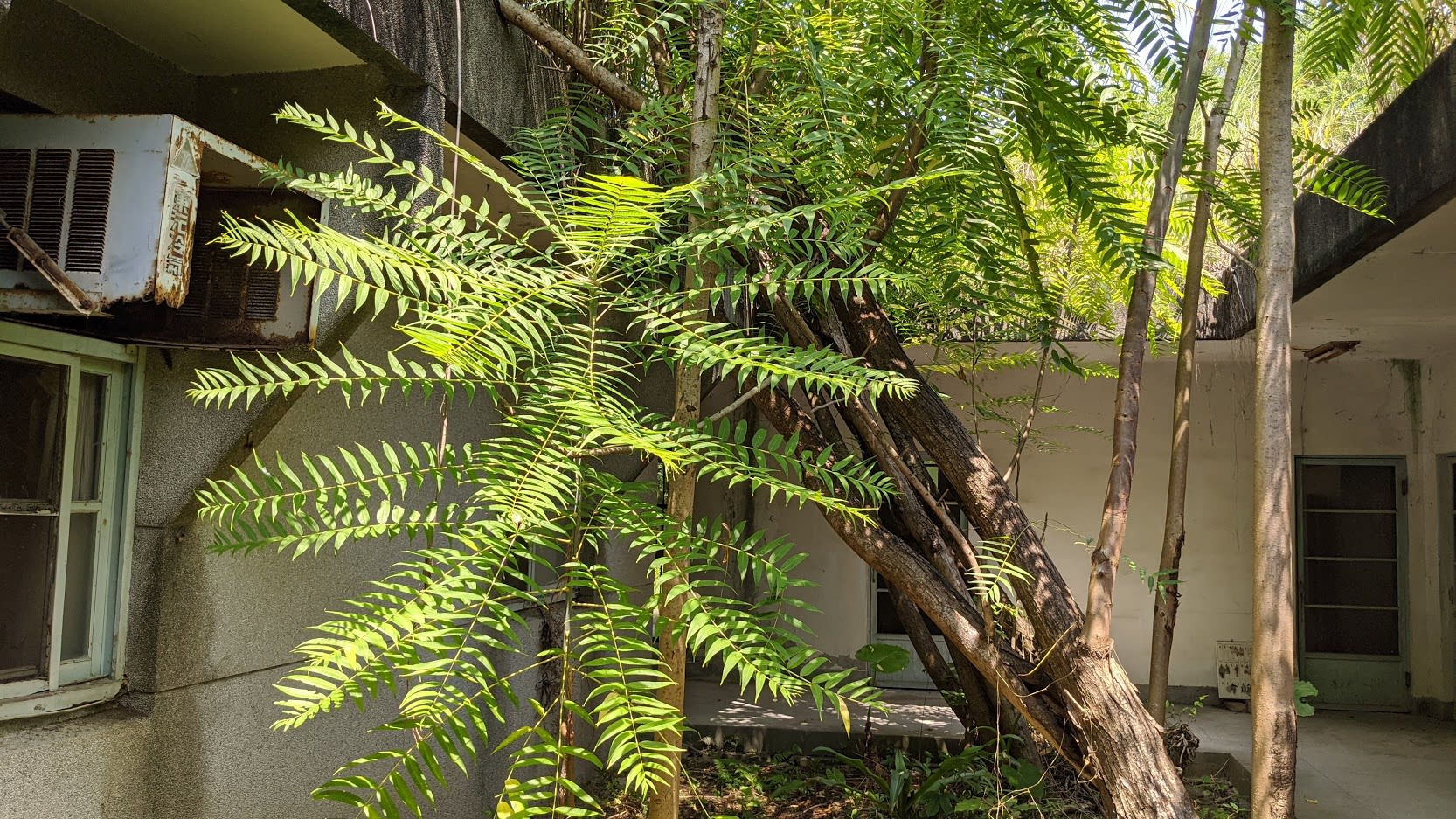
The site is still under Investigation Bureau control. Apparently they hold annual Ghost Festival rites here. But they treat it as a warehouse; all the buildings show obvious age and neglect. When we visited, the sun was bright and the surrounding greenery was beautiful — an irony that felt almost calculated given the history.
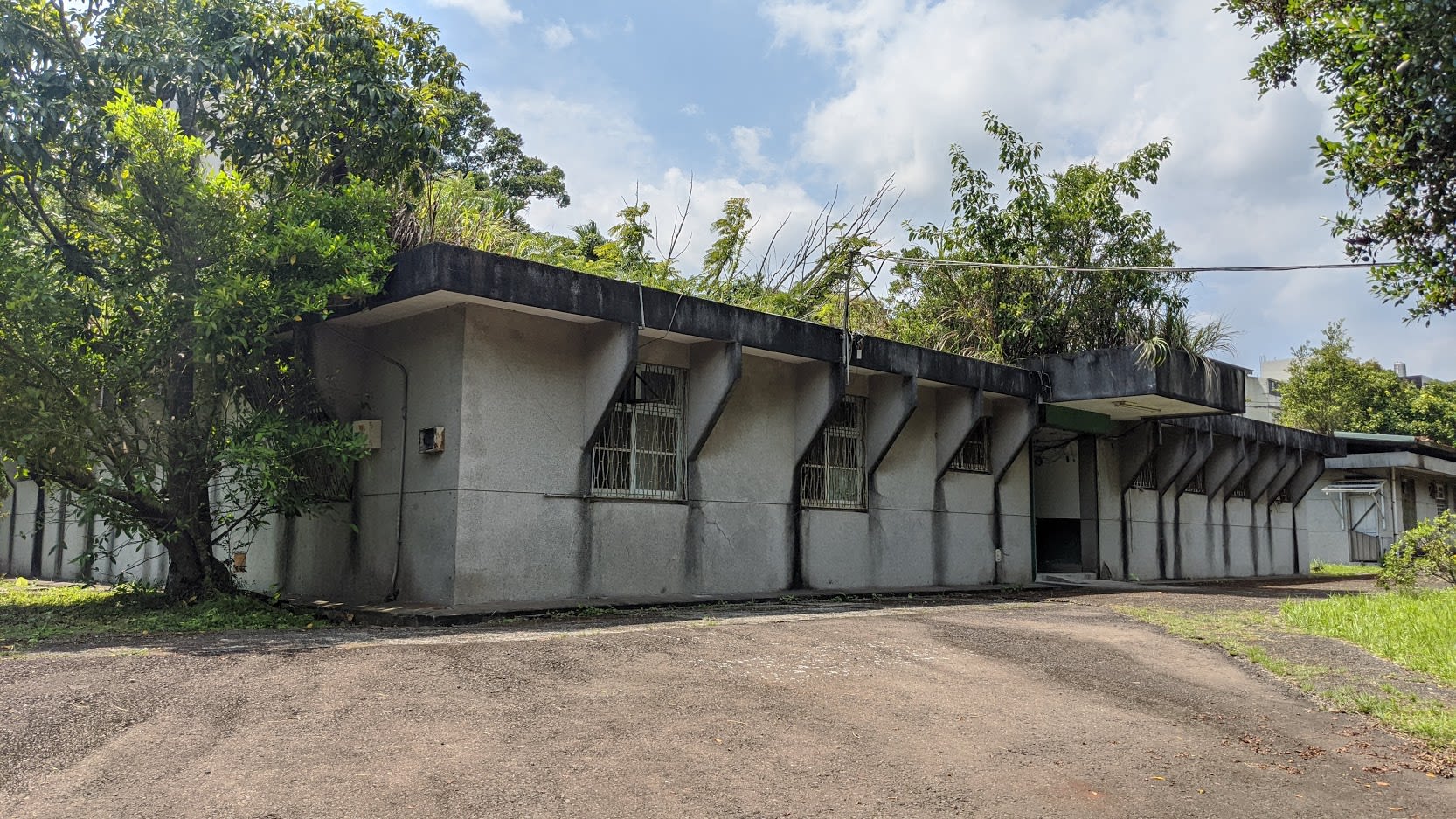
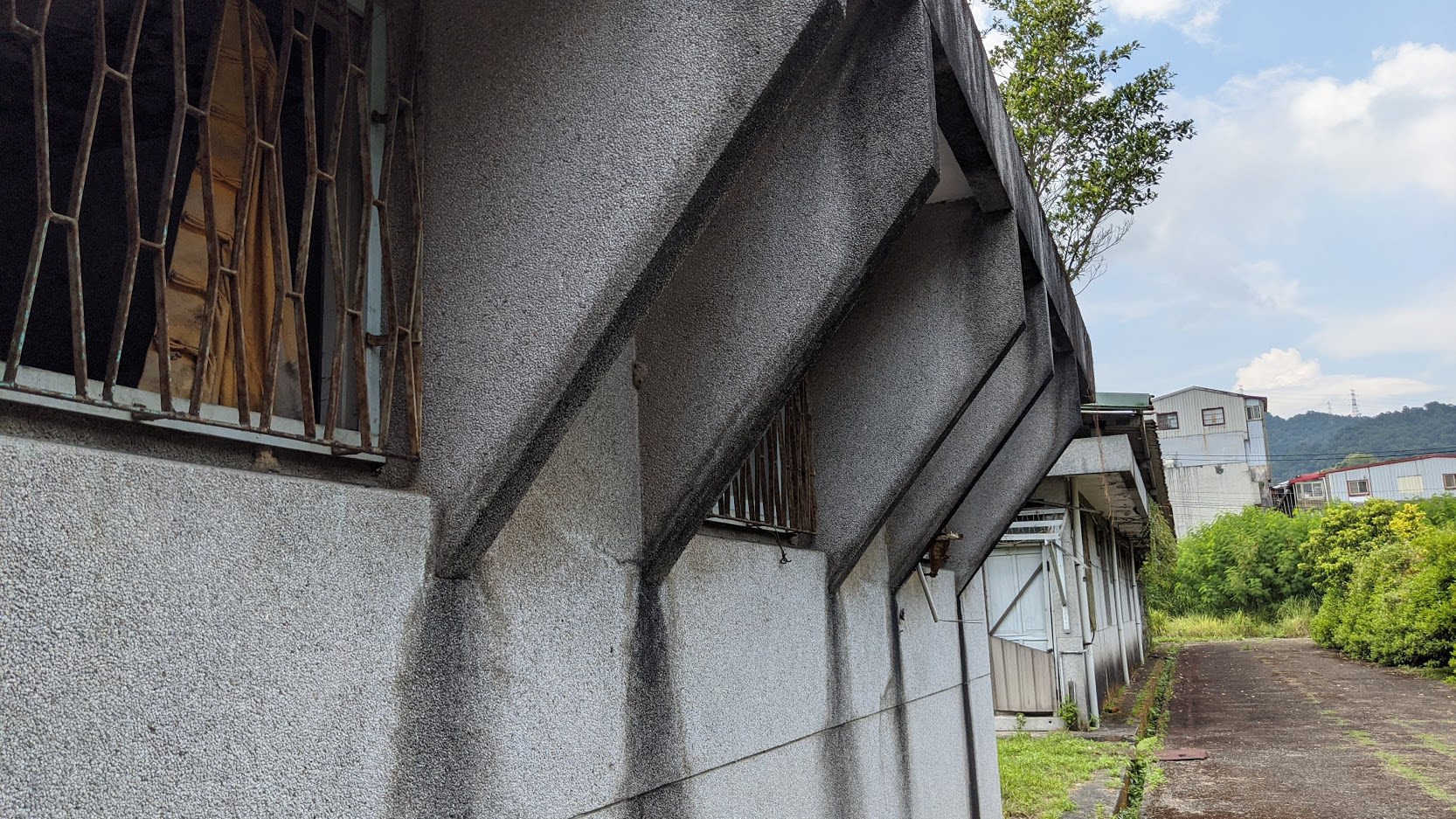
Because this facility was purpose-built, the architecture reflects specific intentions. Each window in the Work Zone has a partition between it and the adjacent window — so prisoners in neighboring rooms couldn’t communicate or pass messages.
After unlocking multiple locks, we entered the Work Zone. Every interrogation room was fitted with soundproofing — nothing outside could hear what happened inside. Curtains blocked all views from outside. Recording equipment was hidden above each room and behind the curtains, with audio fed back to the central control area.
Survivor Yang Jinhai described what happened here:
I was tortured in the secret prison at Ankang — beaten and subjected to coerced confessions. Three meals a day and a midnight beating, four times a day, for fifty-seven consecutive days. Until I was coughing blood.
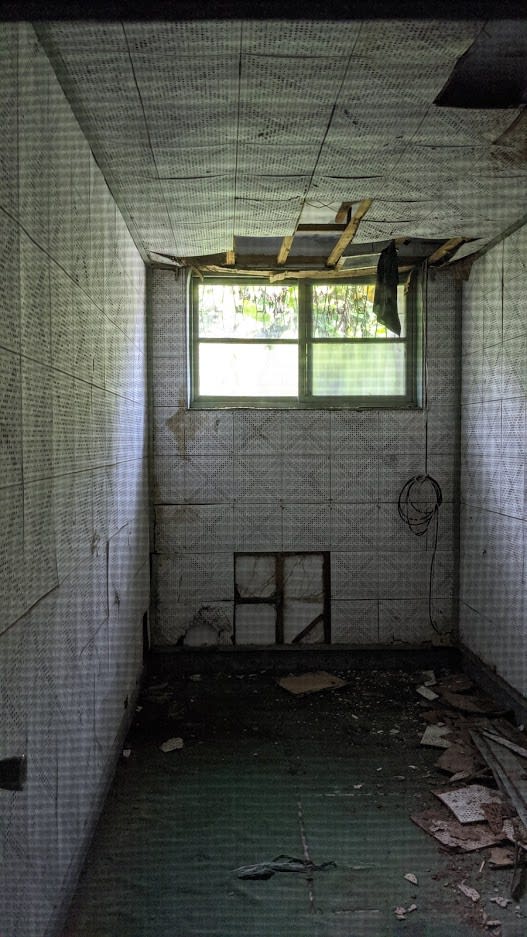
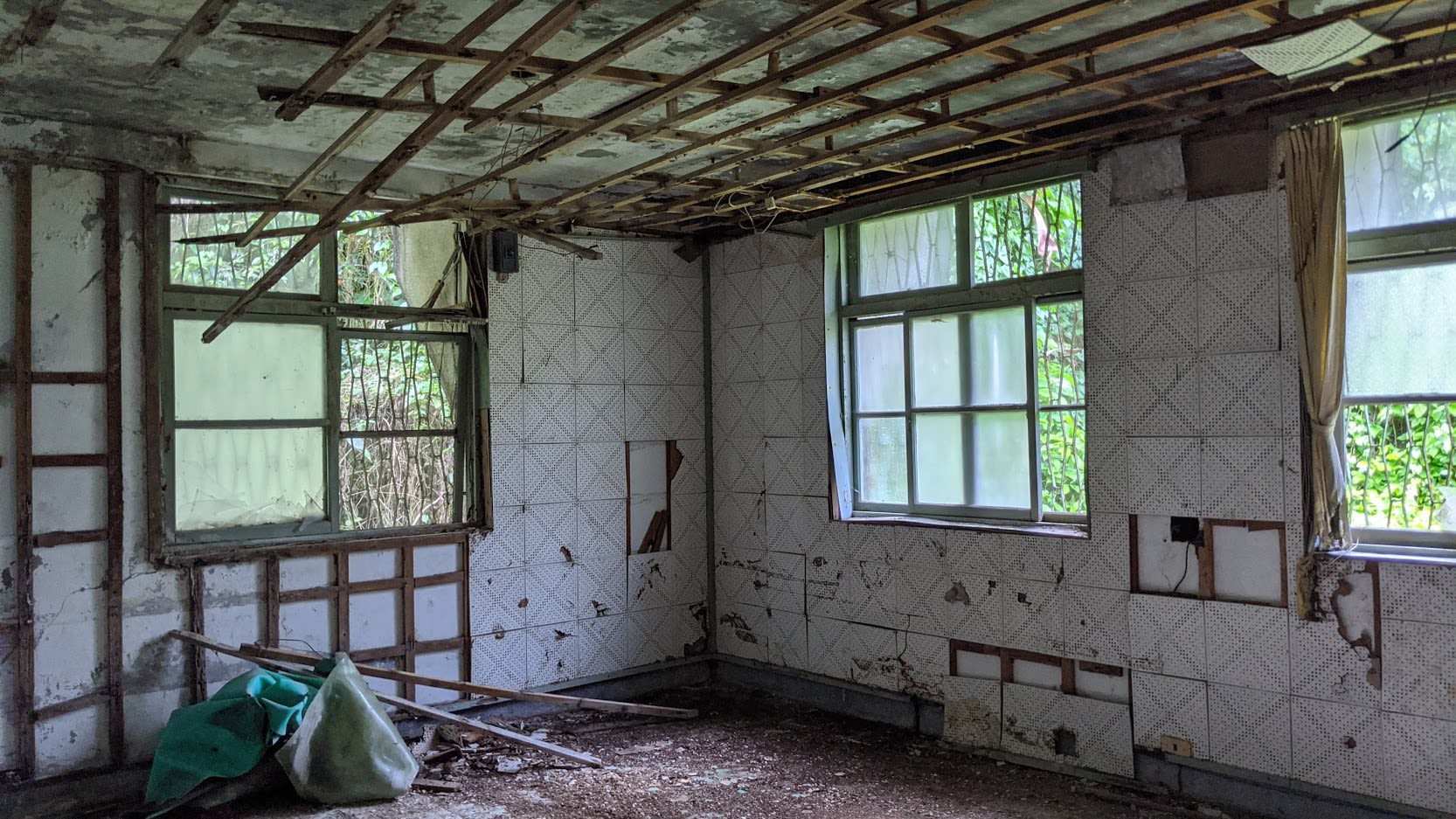
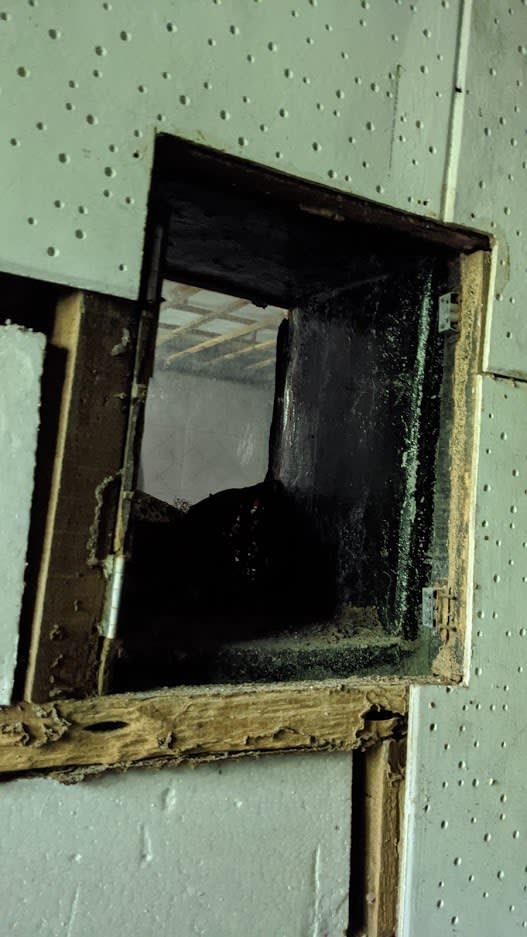
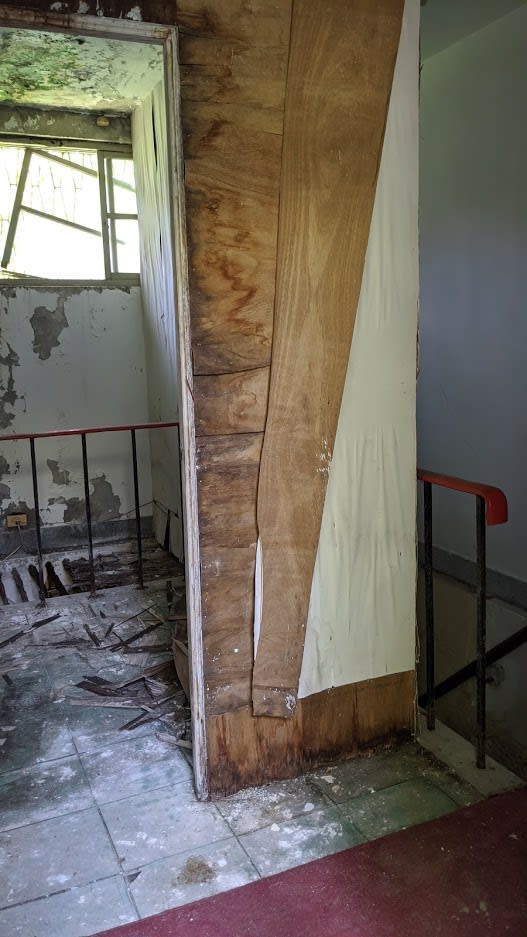
The passage between the Work Zone and Recuperation Zone has a single entry point. Prisoners moved only between these two spaces and had no sense of where they were.
Yao Jia-wen recalled:
I didn’t know if it was a basement or just that all the light was blocked — it was completely dark. I was there for fifty days. Only in the last week was I allowed to sleep in a bed; before that I sat in a rattan chair the whole time. It was winter. So cold. My backside was frozen.
The Recuperation Zone is on lower ground, so it’s darker. But reportedly the corridors were kept lit around the clock. Four corridors, mostly single-occupancy cells — to prevent any communication between prisoners. Survivors say they almost never saw another person during their detention.
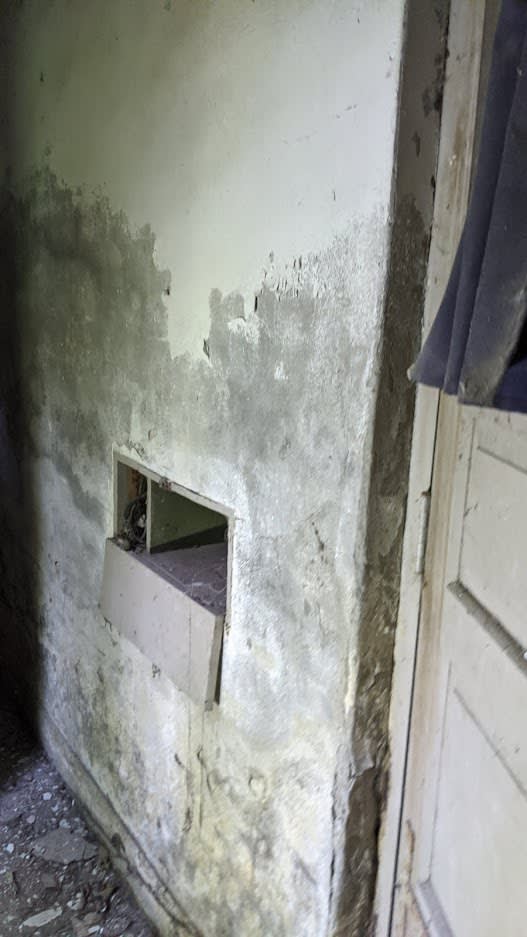
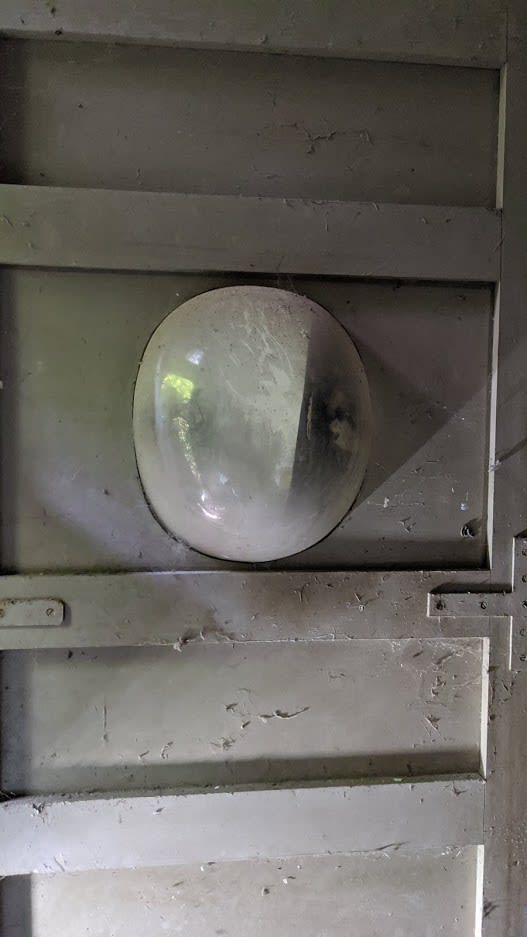
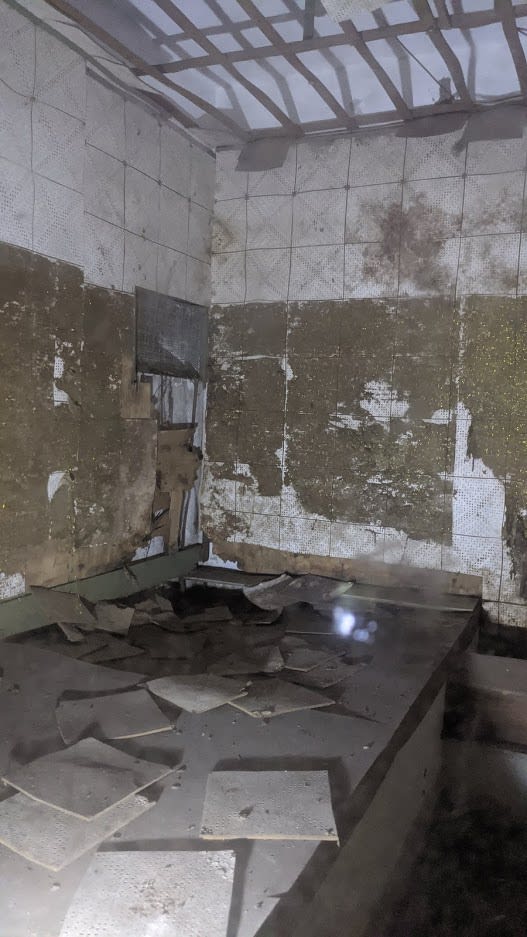
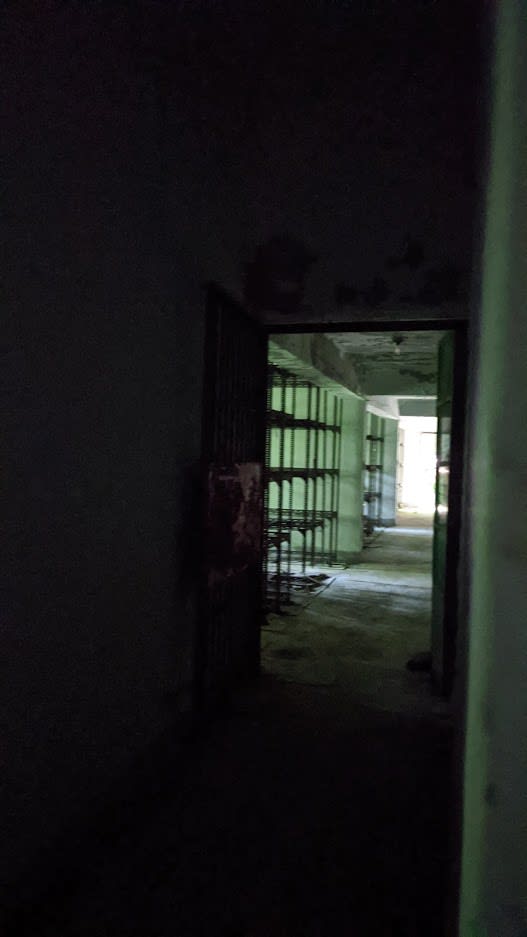
The pressure inside was relentless. Every room door was designed to be transparent; every move was visible; every room was wired for audio. Pan Zong-xiong recalled:
That place was terrifying. Walking down the corridor you’d see shackles and handcuffs scattered all over the floor — so many you couldn’t fit them all in two trucks. Windows covered with black cloth, just a small hole left… There was no possibility of suicide at Ankang. The walls were elastic.
I found myself wanting to leave before we’d even gotten halfway through. Beyond the general unsettling quality of the abandoned buildings, imagining the inner state of the people once held here created an oppressive weight I wasn’t expecting. We’d only walked a short stretch, and when I finally saw the main gate I felt a rush of relief — and had no desire to go back inside.
Outside the buildings, even if a prisoner managed to escape the Recuperation Zone, they would still face layer after layer of perimeter walls. Watchtowers stand at two corners of the complex, surveilling in all directions.
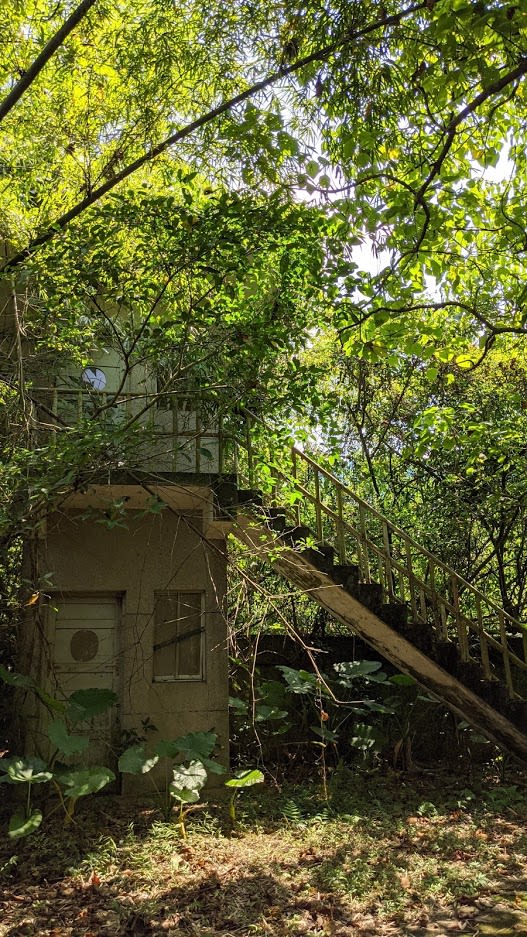
The two remaining buildings we didn’t enter were the staff living quarters. From the outside, it’s immediately obvious that the facilities and environment there were far superior.
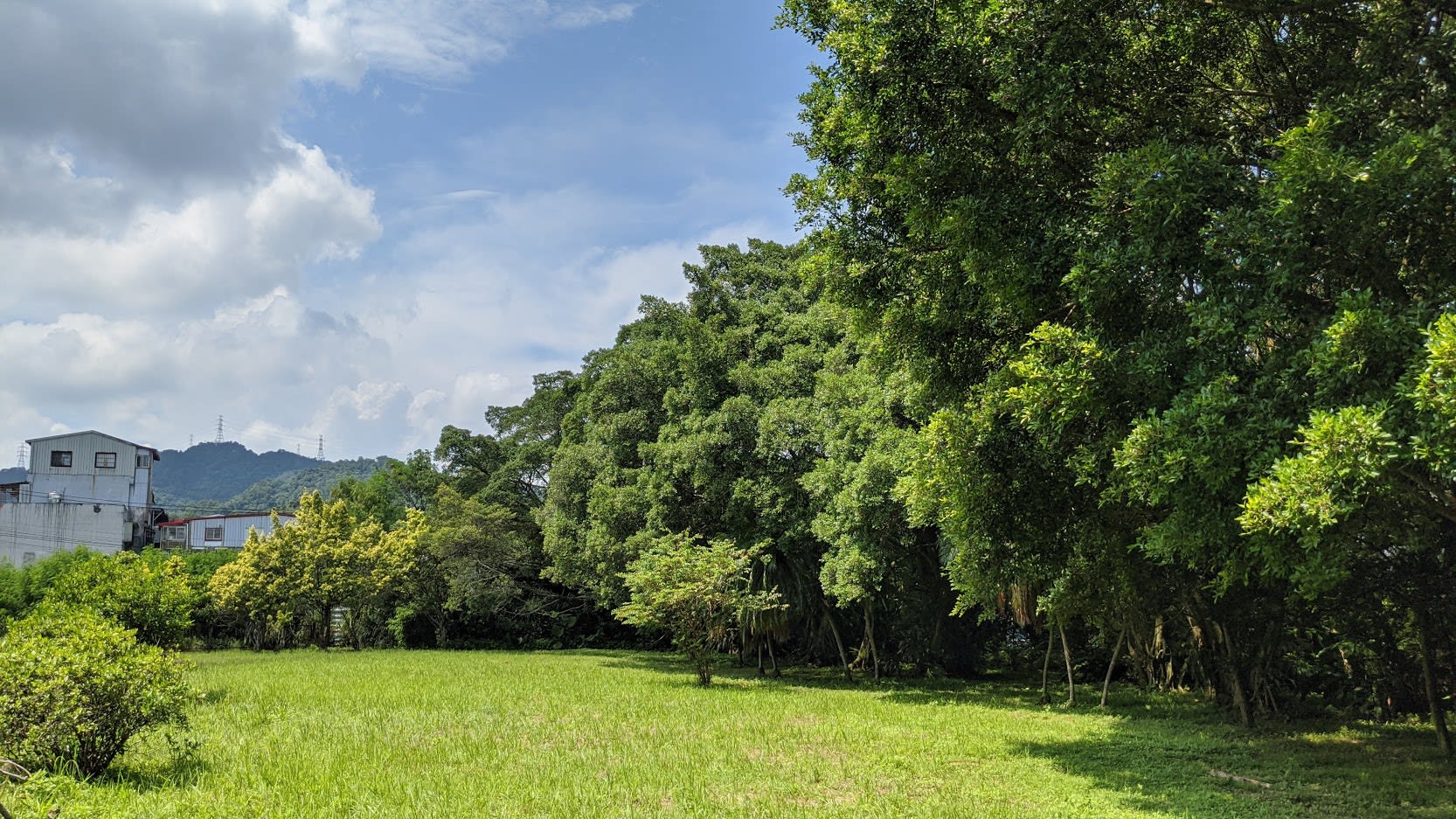
This place feels forgotten. Our guide Zhang Weisiu noted the Investigation Bureau had recently done some clearing, but the desolation and weight of time are still palpable. Without context, you’d think it was just an abandoned building. You’d never guess how many stories it holds.
The Ankang Reception Room is the best-preserved interrogation site from the White Terror era. If you trace the full process a political prisoner went through — interrogation here, trial at the Jingmei Human Rights Memorial Park, imprisonment at the Green Island Human Rights Memorial Park — Ankang is the start of that chain. Carefully managed alongside the other two sites, it could provide a spatial reconstruction of those years that’s hard to achieve any other way.
The site remains under Investigation Bureau control. The TJC and research groups have already conducted full surveys and measurements to prevent unauthorized modifications. The more people who know about this place, the less likely it is to simply disappear. What still needs to be decided: which agency should ultimately manage it? How should it be used? Should it be preserved as-is, or transformed into a museum? These questions are worth thinking about.
If the Ankeng Light Rail line is ever completed, the last station will be near this site — and the route would pass several other injustice sites: the Xindian Military Prison, the Xindian Theater (another interrogation space), and eventually the Jingmei Human Rights Culture Park at the other end. A coincidence that connects all these places into something that could one day be a “Human Rights Trail.”
The other two stops: Walking Through Hell (1): Dalongdong Detention Room Walking Through Hell (2): Investigation Bureau Headquarters
Thanks for reading :D
If you enjoyed this post, feel free to click the coffee button in the lower right to support us and give Lottery a can 🐾
Comments